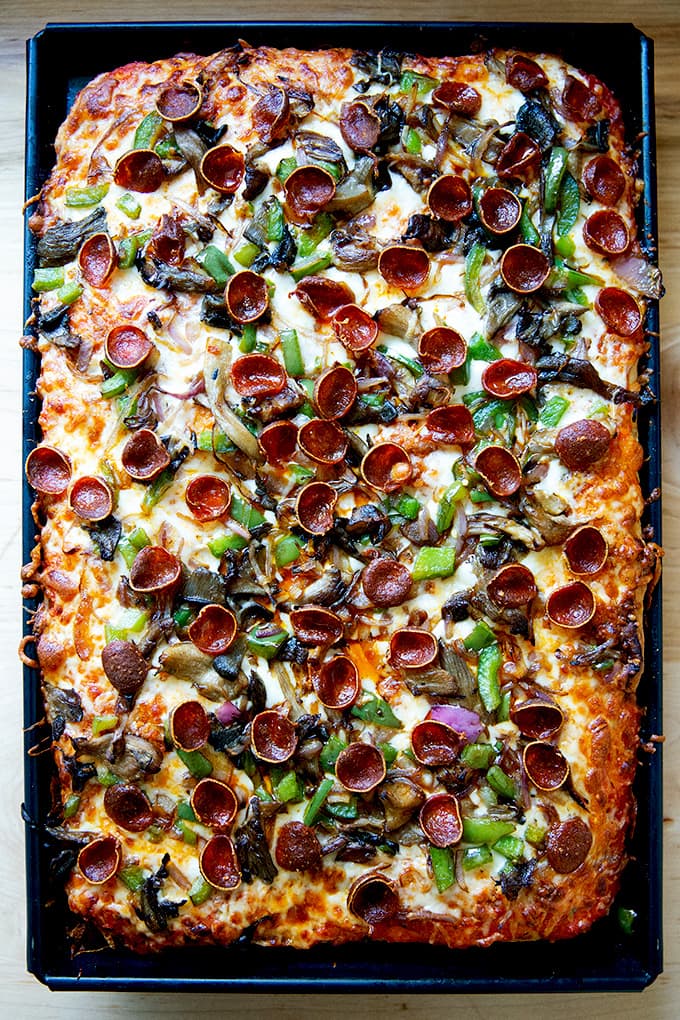
Sicilian Style Pizza: Unveiling the Thick, Pillowy Crust Difference
There’s a special kind of magic that happens when you bite into a perfect slice of Sicilian style pizza. It’s an experience defined not by a thin, delicate crisp but by a substantial, airy interior encased in a golden, crunchy crust. This isn't just another pizza; it's a culinary journey to the sun-drenched island of Sicily, later perfected in Italian-American kitchens across the U.S. If the idea of a thick, focaccia-like base, rich tomato sauce, and your favorite toppings makes your mouth water, then mastering a great recipe for
homemade Sicilian style pizza is your next kitchen adventure. Get ready to transform your home into a bustling pizzeria, delivering bold, comforting flavors in every bite.
What Sets Sicilian Style Pizza Apart?
Sicilian style pizza, often referred to by its traditional name, *sfincione*, boasts a distinctive character that immediately sets it apart from its Neapolitan or New York counterparts. Originating in Sicily, this hearty, satisfying dish found a second home and evolved in Italian-American communities, particularly in New York, where it became a beloved staple.
The most striking difference lies in its foundation: the crust. Unlike the super-thin, pliable Neapolitan crust, Sicilian pizza features a thick, deep-dish crust that's remarkably airy and soft on the inside, yet develops a beautifully golden, almost fried crispness on the bottom thanks to a generous coating of olive oil in the pan. Traditionally, it's baked in rectangular pans, yielding square slices that are perfect for sharing or savoring solo.
While the original Sicilian sfincione often features a simple tomato sauce, a scattering of local cheese (like caciocavallo or pecorino), and sometimes anchovies or breadcrumbs, its American adaptation tends to be more lavish. Here, you'll typically find a rich tomato sauce, plenty of mozzarella cheese, and a generous array of toppings such as pepperoni, sausage, onions, or olives. Regardless of the topping choices, the essence remains the same: a fulfilling, flavorful, and incredibly satisfying pizza experience that’s ideal for family dinners or weekend gatherings.
The Heart of the Matter: Mastering the Sicilian Crust
The true secret to an exceptional
authentic Sicilian pizza lies in its iconic dough. This isn't just any dough; it's a carefully crafted foundation that, with a little patience, yields that signature lightness, chew, and incredible airy crumb. The magic happens during a slow, deliberate rise, which allows the yeast to work its wonders, developing both flavor and texture.
To create this remarkable crust for your homemade Sicilian style pizza, you’ll focus on simple ingredients and crucial techniques:
Essential Ingredients for Sicilian Pizza Dough:
*
Bread Flour: The higher protein content in bread flour creates more gluten, which is essential for the dough's structure, chewiness, and ability to hold those beautiful air pockets.
*
Warm Water: Key for activating the yeast. Aim for a temperature between 105-115°F (40-46°C) – warm to the touch but not hot.
*
Active Dry Yeast: The leavening agent responsible for the dough's rise and airy texture.
*
Sugar: A little sugar feeds the yeast, helping it activate and providing a touch of sweetness to the crust.
*
Salt: Essential for flavor and helps regulate the yeast activity.
*
Olive Oil: Not only adds flavor and richness to the dough itself but is generously used to coat the pan, contributing to that desired crispy bottom.
Crafting Your Dough (Simplified Steps & Tips):
1.
Activate the Yeast: In a large bowl, combine your warm water, sugar, and yeast. Stir gently and let it sit for about 5-10 minutes. You’re looking for a foamy, creamy layer to form on top – this indicates your yeast is alive and ready to work!
2.
Combine & Mix: In a separate bowl, whisk together the bread flour and salt. Gradually add the yeast mixture and two tablespoons of olive oil to the dry ingredients. Mix with a sturdy spoon or a stand mixer with a dough hook until a shaggy, sticky dough comes together. Don't worry if it looks messy; that's normal for a high-hydration dough.
3.
Knead for Development: Turn the dough out onto a lightly floured surface (or continue with your stand mixer). Knead for 7-10 minutes. The dough will transform from sticky and shaggy to smooth, elastic, and less tacky. This develops the gluten, which is vital for the airy structure.
4.
The First Rise (Bulk Fermentation): Place the kneaded dough in a lightly oiled bowl, turning it once to coat. Cover the bowl tightly with plastic wrap or a damp towel and let it rise in a warm, draft-free place for 1.5 to 2 hours, or until it has visibly doubled in size. This long rise is paramount for flavor development and a truly pillowy texture.
5.
Prepare the Pan & Second Rise: This step is critical for the crispy bottom. Generously coat a rectangular baking pan (a 9x13 inch pan is common, but larger works for thinner crusts) with olive oil. Really get into the corners! Gently transfer the dough to the pan and, using oiled hands, carefully press it out towards the edges. If the dough springs back, cover it and let it rest for 10-15 minutes, then continue pressing. Once stretched, cover the pan and let the dough rise again for another 30-45 minutes. This second rise ensures a truly light and airy crust.
This detailed approach to your Sicilian pizza dough recipe lays the groundwork for that thick, fluffy base, making your homemade Sicilian style pizza a true culinary triumph.
Crafting Your Perfect Homemade Sicilian Style Pizza
With your perfectly risen dough ready, it's time to assemble your masterpiece. The beauty of
homemade Sicilian pizza is its versatility, allowing you to tailor it to your exact preferences.
Assembling Your Pizza:
1.
Preheat Your Oven: Start by preheating your oven to a high temperature, typically 475°F (245°C). A hot oven helps create a crispy crust and ensures even cooking.
2.
Sauce it Up: Once your dough has completed its second rise in the pan, gently spread about 1 cup of your favorite pizza or marinara sauce evenly over the surface. For an authentic Sicilian touch, you can opt for a very simple, crushed tomato sauce seasoned with just salt, oregano, and a touch of garlic.
3.
Cheese & Toppings: Now for the fun part! Sprinkle 2 cups of shredded mozzarella cheese over the sauce. For a more traditional sfincione, consider a blend of mozzarella with a harder cheese like caciocavallo or provolone. Then, add your chosen toppings. Pepperoni, olives, onions, and sausage are popular choices in the U.S., while anchovies and breadcrumbs offer a nod to its Sicilian roots. Be mindful not to overload the pizza, as too many toppings can lead to a soggy crust.
4.
Bake to Perfection: Carefully transfer your pizza to the preheated oven. Bake for approximately 20-25 minutes. You're looking for the cheese to be bubbly and melted, with a golden-brown crust. The edges should be beautifully crisp, and the bottom a rich, deep golden color. If your oven has a "pizza" setting or a baking stone, using it can enhance the crispiness of the base.
5.
Cool & Serve: Once baked, remove the pizza from the oven and let it cool slightly in the pan for 5-10 minutes. This resting period allows the cheese to set and makes for easier slicing. Using a sturdy spatula, transfer the pizza to a cutting board, slice into squares, and serve immediately.
The result is a delightful contrast of crispy edges, a soft and airy center, and savory toppings that make every square slice of your homemade Sicilian style pizza an absolute delight.
More Than Just a Recipe: The Sicilian Pizza Experience
For many, the act of making and sharing Sicilian pizza is far more than just preparing a meal; it's a cherished tradition, a form of comfort, and a celebration of family. Just as families in Palermo would gather around the rising dough, anticipating the aroma of tomatoes and olive oil, making this pizza at home invites a similar warmth and connection.
There’s an endearing quality to the process – the hands-on kneading, the patient waiting for the dough to rise, the excitement of seeing it bubble and brown in the oven. It’s a sensory experience, from the earthy scent of yeast proofing to the rich, garlicky perfume of the sauce simmering, and finally, the irresistible aroma of freshly baked pizza filling your kitchen. This process, as much as the end product, fosters connection and brings people together. Remember the words: "Don't rush the dough! Good things need time." This wisdom applies not just to baking but to life itself, reminding us to savor the moments and the connections made over food.
Embrace the imperfections; a slightly uneven crust or a topping that shifted during baking only adds to its homemade charm. The true essence of this dish, whether you call it *sfincione* or just your favorite deep-dish pizza, lies in the love and care poured into its creation. It's about bringing everyone close, sharing stories, and creating new memories around the table. For a deeper dive into its cultural significance and other authentic recipes, explore our article on
Authentic Sicilian Pizza: Bring Italy's Comfort Food to Your Kitchen.
Conclusion
From its humble origins on the streets of Sicily to its beloved status in American homes, Sicilian style pizza offers a unique and profoundly satisfying culinary experience. Its thick, pillowy crust, generously soaked in olive oil for that coveted crispy bottom, distinguishes it as a truly remarkable comfort food. While the journey to create the perfect
homemade Sicilian style pizza requires patience and a little practice, the reward is immeasurable: a flavorful, hearty dish that’s perfect for any occasion and truly brings people together. So, gather your ingredients, clear your counter, and prepare to unveil the delicious difference of a truly authentic Sicilian pie right in your own kitchen.